
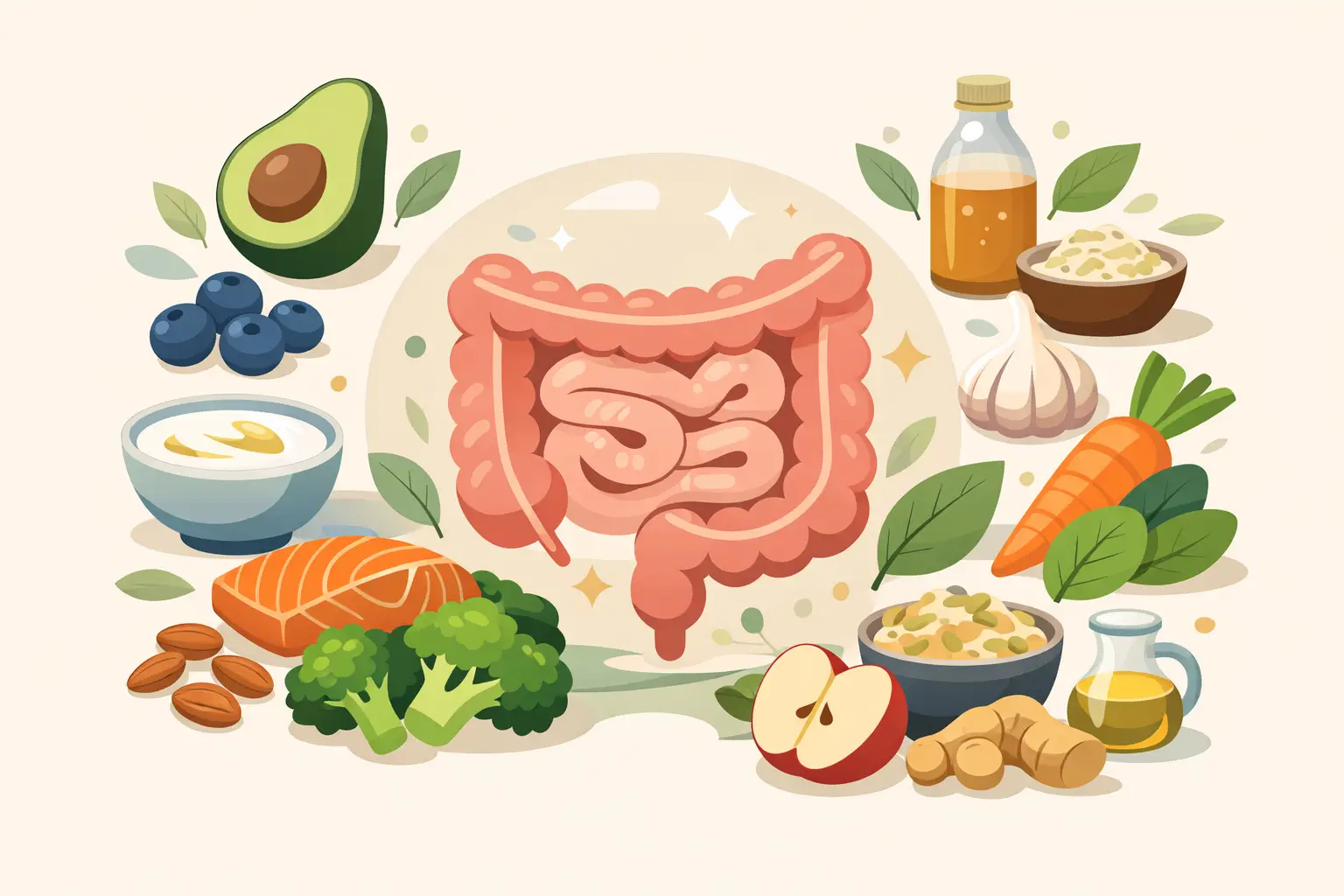
12 Best Foods for Gut Health
A healthy gut microbiome depends on a varied diet of fiber-rich plants and fermented foods rather than individual superfoods. Gradually incorporating items like yogurt, oats, and leafy greens can improve digestion while feeding beneficial bacteria. Because high-fiber and fermented ingredients may trigger sensitivity, consumers should prioritize long-term dietary patterns over sudden changes.
A healthy gut usually has less to do with one trendy ingredient and more to do with what shows up on your plate most days. When people ask about the best foods for gut health, the most useful answer is not a single superfood. It is a group of foods that support digestion in different ways, from feeding beneficial gut bacteria to adding live cultures or helping stool move comfortably through the intestines.
Your gut includes trillions of microorganisms, often called the gut microbiome. These microbes help break down food, produce certain vitamins and compounds, support the immune system, and influence how the digestive tract functions. Diet is one of the biggest factors shaping that environment. While gut health can also be affected by stress, sleep, medications, illness, and underlying conditions, food remains one of the most practical places to start.
What makes foods good for gut health?
The best foods for gut health usually fall into a few broad categories. Some are rich in fiber, especially prebiotic fiber, which feeds beneficial bacteria. Others contain live microorganisms, often called probiotics, which may help add to or support the microbial balance in the gut. Some foods do both, and many work best as part of a varied eating pattern rather than in large amounts all at once.
It also helps to keep expectations realistic. A single meal will not repair a digestive problem overnight. And foods that help one person may bother another, especially if they live with irritable bowel syndrome, acid reflux, inflammatory bowel disease, lactose intolerance, or a history of digestive sensitivity. The goal is not perfection. It is building a pattern that your body tolerates and benefits from over time.
12 best foods for gut health
1. Yogurt
Yogurt is often the first food people think of for gut health, and for good reason. Many yogurts contain live and active cultures that can help support the gut microbiome. It also provides protein, calcium, and a familiar, easy-to-use format for breakfast or snacks.
The details matter, though. Some flavored yogurts are high in added sugar, which may not be the best everyday choice. If you tolerate dairy, plain yogurt with fruit is often a better option. If you do not tolerate lactose well, some yogurts may still be easier to digest than milk, but it depends on the person.
2. Kefir
Kefir is a fermented milk drink that typically contains a wider variety of live cultures than standard yogurt. Its thinner texture makes it easy to drink on its own or add to smoothies.
For people who want more fermented foods in a practical form, kefir can be a useful choice. As with yogurt, dairy tolerance matters. There are also non-dairy versions, though culture content varies by product.
3. Sauerkraut
Sauerkraut, made from fermented cabbage, can provide beneficial bacteria along with fiber. It is one of the more accessible fermented vegetables and can add a sharp, salty flavor to meals.
Not every jar offers the same benefits. Shelf-stable versions that have been heavily processed may contain fewer live cultures than refrigerated products. It can also be high in sodium, so portion size matters, especially for people watching blood pressure.
4. Kimchi
Kimchi is another fermented vegetable food, usually made with cabbage, radish, and seasonings. It offers fiber and, in many versions, live cultures.
Its main trade-off is tolerability. Kimchi can be spicy, acidic, and strongly flavored, which some people enjoy and others do not. If you have reflux or a very sensitive stomach, small portions may be a better place to start.
5. Oats
Oats are one of the most reliable fiber-rich foods for digestive support. They contain beta-glucan and other fibers that can help nourish gut bacteria while also supporting regular bowel movements.
Oatmeal is often well tolerated, which makes it a good option during periods when the digestive system feels unsettled. If you are increasing fiber, do it gradually and drink enough fluids. A sudden jump can cause bloating or gas.
6. Beans and lentils
Beans and lentils are rich in fiber and resistant starch, both of which can help feed beneficial bacteria in the colon. They are also affordable, versatile, and filling.
At the same time, they are common triggers for gas, especially if your body is not used to them. Rinsing canned beans, starting with smaller servings, and increasing intake slowly can help. For many people, tolerance improves with regular use.
7. Bananas
Bananas are simple, portable, and often easier on the stomach than many other fruits. They contain fiber and certain compounds that may support beneficial bacteria.
They are especially useful for people who want a gentler way to add produce while managing mild digestive upset. Very ripe bananas may be easier for some people to digest, while slightly less ripe bananas contain more resistant starch. Which works better depends on your symptoms and tolerance.
8. Berries
Berries such as blueberries, raspberries, blackberries, and strawberries offer fiber along with polyphenols, plant compounds that may support a healthier gut environment. They also fit easily into yogurt, oatmeal, or snacks.
Raspberries and blackberries are especially high in fiber, but that does not automatically make them the best choice for everyone. If seeds or rough textures irritate your digestion, softer fruits may feel better.
9. Apples
Apples contain pectin, a type of soluble fiber that can benefit digestion and support gut bacteria. They are easy to keep on hand and can be eaten raw, baked, or cooked into other foods.
Raw apples can be harder for some people to digest, particularly if bloating is already an issue. In that case, peeled or cooked apples may be more comfortable while still offering some fiber.
10. Leafy greens
Leafy greens such as spinach, kale, and Swiss chard provide fiber and a range of nutrients that support overall digestive and metabolic health. Some research also suggests leafy greens may help encourage the growth of certain beneficial gut bacteria.
Raw salads are not always the easiest option for sensitive digestion. Cooked greens can be a more tolerable way to include them, especially if large raw salads tend to cause discomfort.
11. Garlic and onions
Garlic and onions contain prebiotic fibers that help feed beneficial gut microbes. They are common ingredients rather than specialty health foods, which makes them practical for everyday cooking.
They are also a clear example of why gut advice is rarely one-size-fits-all. For some people, especially those with IBS, garlic and onions are major triggers for bloating or cramping. If that sounds familiar, forcing them into your diet is not helpful.
12. Whole grains
Whole grains such as barley, brown rice, quinoa, and whole wheat can support gut health by adding fiber and variety to the diet. Diversity matters because different gut bacteria use different types of fiber as fuel.
If your usual pattern is low in fiber, whole grains are often a manageable place to build better habits. The main caution is pace. More fiber is not always better if it arrives too quickly.
How to add gut-friendly foods without upsetting digestion
A common mistake is trying to overhaul everything in a week. That can backfire, especially if you suddenly increase fiber, fermented foods, and raw produce all at once. Bloating, gas, and changes in bowel habits can follow, even when the foods themselves are generally helpful.
A steadier approach works better. Add one new food or one extra serving at a time and give your body several days to adjust. Pair higher-fiber foods with enough water. If fermented foods are new to you, start with small portions rather than large servings.
Variety also matters more than repetition. Eating yogurt every morning can be helpful, but a gut-friendly diet is broader than one staple food. Rotating fruits, vegetables, legumes, and whole grains gives the microbiome a wider range of nutrients to work with.
Foods are helpful, but context matters
If you have ongoing constipation, diarrhea, abdominal pain, frequent bloating, blood in the stool, unexplained weight loss, or digestive symptoms that are worsening, food choices alone may not solve the problem. Those symptoms deserve medical attention, especially if they are new or persistent.
It is also worth remembering that gut health is shaped by more than diet. Stress, poor sleep, low activity, frequent antibiotic use, and some health conditions can all affect digestion and the microbiome. Food is a meaningful tool, but it works best alongside the basics of overall health.
For most people, the best long-term plan is surprisingly simple: eat a wider range of plant foods, include fermented foods if you tolerate them, and make changes gradually enough that your digestive system can keep up. That kind of steady, practical approach is usually more useful than chasing a perfect gut health menu.
Preferred Source
Enjoy The Health Almanac?
Add us as a preferred source on Google to see more Health Almanac articles in your Google results.
/archive/2026/07/07/12-best-foods-for-gut-health